
New Zealand Admissions β’ IELTS / PTE β’ Student Visa Support
Study in New Zealand Consultant in Gandhinagar
Looking for a trusted Study in New Zealand Consultant in Gandhinagar? Sahajanand International helps Indian students with New Zealand admissions, university shortlisting, IELTS and PTE guidance, SOP and document preparation, New Zealand student visa support, scholarship guidance, and complete counselling for popular intakes. If you want to study in New Zealand for Indian students, our team supports you from course selection to visa filing with clear step-by-step guidance.
- Top New Zealand Universities
- Admissions & Offer Letter Support
- IELTS / PTE Coaching Guidance
- Student Visa Documentation
- Scholarship & Intake Planning
Check Your Eligibility
Talk to a Counsellor
Admissions Guidance
Support for university selection, course matching, and application planning.
Visa Support
Help with New Zealand student visa documents, SOP flow, and file preparation.
Exam Support
Guidance for IELTS and PTE pathways linked to study abroad admissions.
For Indian Students
Clear counselling on intakes, scholarships, costs, and next steps from Gandhinagar.
New Zealand Education Highlights
Why Study in New Zealand
New Zealand is a popular choice for Indian students looking for high-quality education, globally respected degrees, a safe learning environment, and strong future opportunities. This section helps make your New Zealand study abroad decision more practical, attractive, and trustworthy.
- Top-quality education with internationally respected qualifications, practical learning, and career-focused academic pathways.
- All 8 universities in New Zealand are internationally recognised and known for strong academic standards and student support.
- New Zealand is an English-speaking destination preferred by many international students for its quality of life, modern campuses, and future-ready education system.
Globally Respected Degrees
English-Speaking Destination
Student-Friendly Environment
Career-Focused Learning
New Zealand Study Destination

Modern Education
Known for practical teaching, research-led learning, and globally recognised qualifications.
Safe & Welcoming
A student-friendly destination appreciated for its lifestyle, support system, and learning environment.
New Zealand Quick Snapshot
New Zealand At a Glance
A quick overview for Indian students planning New Zealand admissions, university shortlisting, and student visa preparation.
ποΈ
General Snapshot
- Capital: Wellington
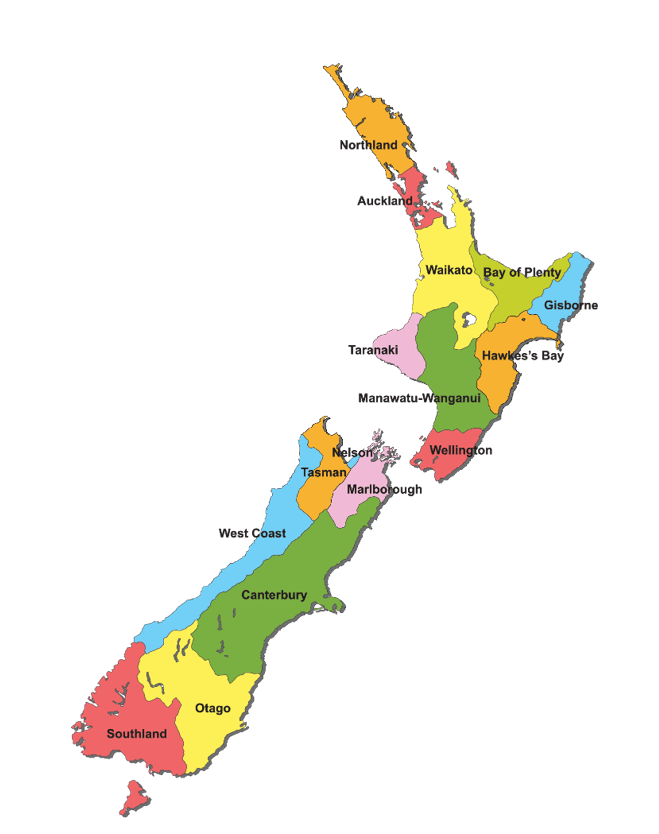
- Major cities: Auckland, Wellington, Christchurch, Hamilton, Dunedin, Tauranga
- Official languages: English, te reo MΔori, and New Zealand Sign Language
- Population: About 5.34 million
- Region: South-west Pacific Ocean
π¦οΈ
Climate & Seasons
- Summer: December to February
- Autumn: March to May
- Winter: June to August
- Spring: September to November
- Climate: Generally mild overall, though weather varies by region and gets cooler further south
π°
Student Life & Economy
- Currency: New Zealand Dollar (NZD)
- Key sectors: Tourism, agriculture, education, and technology
- Student appeal: English-speaking environment with globally recognised universities
- Lifestyle: Known for scenic beauty, outdoor lifestyle, and welcoming communities
- Popular sports: Rugby and cricket
Globally Recognised Education
English-Speaking Destination
Safe Student Environment
New Zealand Admissions Support
New Zealand Education Benefits
Why Study in New Zealand
New Zealand is a strong choice for Indian students looking for globally respected education, practical learning, a welcoming environment, and clear academic pathways. With support for admissions, IELTS or PTE planning, and student visa guidance, New Zealand remains a popular destination for students who want quality education and valuable post-study opportunities.
- Globally respected education system with universities and institutions known for quality teaching, research, and internationally recognised qualifications.
- Practical, career-focused learning that helps students build real-world skills through industry-relevant and application-based study.
- English-speaking study destination with a supportive and welcoming environment for international students.
- Student-friendly lifestyle with modern campuses, scenic surroundings, and a balanced academic experience.
- Pathways after study may include eligibility for a Post Study Work Visa, depending on the qualification completed and immigration rules in force.
- Good long-term value for students who want to combine education quality, international exposure, and future career planning.
New Zealand Admissions Support
IELTS / PTE Guidance
Student Visa Assistance
Career-Focused Learning
Why This Section Works Better
It keeps the page commercial and premium while avoiding claims that can look exaggerated or outdated. That improves both credibility and long-term SEO quality.
90%
Education Quality
Recent international students reported being positive about the quality of their education in New Zealand.
87%
Living Experience
Recent international students also reported positive overall living experiences in New Zealand.
Helpful for Indian Students
This section supports keywords around study in New Zealand for Indian students, New Zealand admissions, IELTS or PTE guidance, and New Zealand student visa support without feeling stuffed.
Eligibility β’ IELTS Requirements β’ New Zealand Admissions
New Zealand Admission Requirements
Understand the basic academic eligibility and IELTS score requirements for popular undergraduate and graduate study pathways in New Zealand for Indian students.
π§βπ
Undergraduate Programs
Academic Requirement
- Minimum 50% marks in the most recent qualifying examination.
IELTS Requirements
-
Diploma (Level 5)
Overall IELTS 5.5 band with no less than 5.0. -
Diploma (Level 6)
Overall IELTS 6.0 band with no less than 5.5. -
Bachelor Degree (Level 7)
Overall IELTS 6.0 band with no less than 5.5.
π
Graduate Programs
Academic Requirement
- Minimum 60% marks in the most recent qualifying examination.
IELTS Requirements
-
Graduate Diploma (Level 7)
Overall IELTS 6.0 band with no less than 5.5. -
Post-Graduate Diploma (Level 8)
Overall IELTS 6.5 band with no less than 6.0. -
Masterβs Degree
Overall IELTS 6.5 band with no less than 6.0.
Note: Entry criteria can vary by university, institute, and course level. Final New Zealand admission requirements and English test requirements should always be checked before application.
Admissions β’ Offer of Place β’ Student Visa Support
New Zealand Admission & Student Visa Process
Explore the common step-by-step journey from course shortlisting to student visa processing for studying in New Zealand.
Profile Review & Shortlisting
Assess your background and shortlist suitable New Zealand courses and institutions.
Prepare Application Documents
Gather academics, passport, English scores, and other required admission documents.
Apply to Institution
Submit your application to the selected university, institute, or provider.
Receive Offer of Place
Get a conditional or final offer outlining fees, course details, and next steps.
Arrange Funds & Visa Evidence
Prepare financial proof, SOP-style explanations if needed, and any health or police documents.
Submit Student Visa Application
Lodge the New Zealand student visa application with the required supporting documents.
Additional Requests, If Any
Respond to any extra document requests, checks, or interview-style questions if asked.
AIP / Fee Transfer, If Applicable
Some offshore students may receive Approval in Principle and complete tuition or FTS steps after that.
Step 1
Profile Review & Shortlisting
The process usually starts with understanding your academic profile, preferred course, budget, and future study goals before shortlisting suitable New Zealand institutions.
- Profile check: academics, study gap, English readiness, and course fit.
- Shortlisting: choose practical options based on your budget and study plan.
- Planning: decide the right intake and application timeline.
Step 2
Prepare Application Documents
Collect the key documents needed for admission review before applying to your chosen provider.
- Usually includes: academic transcripts, passport, CV where relevant, and English test scores.
- Course-dependent: some institutions may ask for additional documents or explanations.
- Accuracy matters: clean, complete files help reduce delays.
Step 3
Apply to Institution
Once the file is ready, the application is submitted to the selected institution for academic review.
- Application submission: submit your profile to the university or provider.
- Review stage: the institution checks eligibility, English level, and course suitability.
- Follow-up: extra documents may be requested during review.
Step 4
Receive Offer of Place
Most students need an offer of place from an approved provider before applying for the student visa.
- Offer stage: receive a conditional or unconditional offer.
- Important details: course, tuition fee, provider details, and offer conditions.
- Next step: use this to move into visa planning and financial preparation.
Step 5
Arrange Funds & Visa Evidence
Prepare the financial and supporting evidence required for the student visa file.
- Funds evidence: show how tuition and living costs will be covered.
- Supporting documents: health, police, or identity evidence may be needed depending on the case.
- Clean documentation: well-organised files help present a stronger application.
Step 6
Submit Student Visa Application
The student visa application is then lodged with the required forms and supporting documents.
- Application mode: student visa applications are commonly submitted online.
- Processing: timelines vary by case and provider type.
- Check carefully: mistakes, missing documents, or weak evidence can slow the process.
Step 7
Additional Requests, If Any
Some applicants may be asked for further evidence while the visa is being processed.
- Possible requests: updated financial evidence, health information, or clarification documents.
- Interviews: not every student has an interview; only include this as a possible case-specific step.
- Fast response: replying clearly and quickly can help avoid extra delays.
Step 8
AIP / Fee Transfer, If Applicable
Some offshore students may receive an Approval in Principle and complete tuition payment or Funds Transfer Scheme requirements afterward, where applicable.
- AIP option: some students outside New Zealand may choose to pay tuition after AIP.
- FTS cases: some AIP letters may require a Funds Transfer Scheme setup with ANZ.
- Final step: once the required conditions are met, the visa can move toward final approval.
Important: exact New Zealand admission and student visa steps can vary by provider, course level, and individual case. Keep the wording flexible rather than making every step sound mandatory for all students.
Popular Universities β’ Study in New Zealand
Top Universities in New Zealand
Explore leading New Zealand universities known for quality education, research strength, and career-focused study pathways for international students.

#65

University of Auckland
Offering programs across arts, business, engineering, health sciences, and law.

Arts
Business
Engineering
Health Sciences
Tuition: NZD 18,000 β 73,000
#214

University of Otago
Well known for arts, commerce, health sciences, and science research pathways.

Arts
Commerce
Health Sciences
Science
Tuition: NZD 32,000 β 42,000
#235

University of Waikato
Strong choice for business, education, and engineering-oriented study options.

Business
Education
Engineering
Tuition: NZD 31,000 β 36,000
#239

Massey University
Recognised for design, business, and engineering programs with practical learning.

Design
Business
Engineering
Tuition: NZD 25,000 β 40,000
#244

Victoria University of Wellington
Popular for arts, business, design, and engineering study pathways.

Arts
Business
Design
Engineering
Tuition: NZD 25,000 β 35,000
#261

University of Canterbury
Leading choice for arts, business, and health sciences-related study options.

Arts
Business
Health Sciences
Tuition: NZD 20,600 β 88,000
#412

Auckland University of Technology (AUT)
Renowned for business, computer science, and health sciences programs.

Business
Computer Science
Health Sciences
Tuition: NZD 40,000 β 87,000
#851

Lincoln University
Specialised in agriculture, commerce, and environmental science pathways.
Agriculture
Commerce
Environmental Science
Tuition: NZD 16,900 β 22,100
Note: University rankings, fees, and course availability can change by intake and program. Review and update these values yearly before publishing.
Popular Study Areas β’ New Zealand Admissions
Popular Courses in New Zealand
Explore popular study options in New Zealand for Indian students across technology, healthcare, engineering, business, sustainability, and skilled career pathways.
π»
Technology
Computer Science
Build strong foundations in software, systems, cloud technologies, and digital problem-solving for modern careers.
π
Data & Analytics
Data Science & Analytics
Learn to work with data, statistics, visualisation, and analytical tools to support business and technology decisions.
π€
Emerging Tech
Artificial Intelligence & Machine Learning
Study intelligent systems, automation, and model-building with practical applications across industries.
π‘οΈ
Security
Cybersecurity
Develop skills in digital security, risk management, ethical practices, and cyber defence fundamentals.
βοΈ
Engineering
Engineering
Explore civil, mechanical, electrical, and related pathways with application-based learning and design exposure.
π
Healthcare
Healthcare & Nursing
Prepare for patient care, clinical support, and healthcare-focused academic pathways with practical relevance.
π€°
Health Pathway
Midwifery
Focus on maternal and infant care through specialised training in supportive and community-oriented care environments.
π
Education
Early Childhood Education
Study child development, learning environments, and educational support for early years teaching pathways.
ποΈ
Management
Project & Construction Management
Learn planning, coordination, and delivery skills for infrastructure, development, and construction-related projects.
π
Built Environment
Quantity Surveying
Gain knowledge in estimation, contracts, budgeting, and resource planning within construction-focused roles.
πΎ
Agri & Food
Agriculture, Food Science & Agri-Tech
Explore agriculture, food innovation, production systems, and technology-led sustainability in this important field.
πΏ
Sustainability
Environmental Science & Sustainability
Study conservation, climate-related issues, natural systems, and sustainable development approaches.
π°
Business
Business Analytics & Finance
Combine analytical thinking with finance, reporting, and decision-making skills for business-oriented careers.
π£
Marketing
Digital Marketing
Learn branding, content, campaign planning, analytics, and online growth strategies for modern organisations.
π οΈ
Trade Pathway
Skilled Trades
Explore practical vocational pathways in areas such as electrical, plumbing, carpentry, and related trades.
Note: Course availability, eligibility, tuition, and career pathways vary by institution and intake. Final course selection should be based on profile, budget, academic background, and long-term goals.
Tuition β’ Living Costs β’ Visa Funds
Study in New Zealand Cost & Funds Overview
Get a practical snapshot of tuition ranges, living-cost evidence, and New Zealand student visa fund planning for Indian students.
Estimated Study Costs
| Expense Type | Estimated Range |
|---|---|
| Tuition Fee Per Year | Varies by university and course level; often much higher for specialised programs. |
| Living Costs | Official student fund requirement is at least NZD 20,000 per year for most tertiary study. |
| Part-Time Work | Potential earnings vary by visa conditions, hours allowed, and local wage rates. |
Tuition depends heavily on the institution, course, and intake. Use your chosen providerβs offer letter for the most accurate fee planning.
Funds Overview for Visa Planning
| Requirement | Typical Planning Basis |
|---|---|
| First-Year Tuition | As shown in the offer of place or institution fee schedule. |
| Living Cost Evidence | At least NZD 20,000 for one year of eligible tertiary study. |
| Travel / Other Costs | Keep additional buffer for travel, medicals, visa fee, insurance, and document-related expenses. |
| Total Planning View | Usually built from tuition + living-cost evidence + a reasonable extra buffer based on your case. |
Final fund planning should be matched to your exact course, provider, intake, and visa file requirements.
Important: Do not present fixed yearly student income or one universal βtotal funds to showβ number for every applicant. New Zealand student visa evidence depends on the provider, tuition, study length, and current visa conditions.
Post Study Work Visa β’ Career Pathways β’ Residence Options
Career After Study
Post-Study Work Opportunities in New Zealand for Indian Students
After completing an eligible qualification in New Zealand, international students may be able to stay and work through the Post Study Work Visa pathway. Depending on the qualification completed, students can explore graduate roles, gain local work experience, and later assess suitable residence pathways based on job type, employer, and immigration eligibility.
-
Post Study Work Visa:
Eligible graduates may be able to stay and work in New Zealand for up to 3 years, depending on what they studied and how long they studied. -
Open work conditions for many graduates:
If you complete a degree level 7 or higher qualification, the Post Study Work Visa can allow work for any employer in any job. -
Qualification-linked work for some non-degree pathways:
If you complete an eligible non-degree level 7 or lower qualification, the job generally needs to be related to what you studied. -
Skilled career pathways:
Graduates who secure the right kind of skilled employment may later explore residence pathways such as the Skilled Migrant Category or other skill-based options, depending on current immigration rules. -
Business pathways for the right profile:
Entrepreneurship and investment routes exist, but they are specialist pathways and should not be presented as the standard graduate route for every student.
π¨βπ Post-Study Duration
Up to 3 years, depending on qualification
πΌ Main Graduate Route
Post Study Work Visa
π Longer-Term Option
Skill-based residence pathways may apply
Book Consultation
Talk to a Counsellor

Study, Work, and Grow in New Zealand
A strong New Zealand study plan should connect course selection, post-study work options, and long-term career direction.
Graduate Roles β’ Salary Guide β’ New Zealand Careers
Career Opportunities in New Zealand
Explore popular graduate and skilled career pathways in New Zealand with indicative average salary guides for international students and future professionals.
π»
Software Engineer
Software development, cloud, backend, and engineering-focused digital roles.
Indicative Average Salary
NZD 88,256 / year
βοΈ
Mechanical Engineer
Manufacturing, maintenance, design, and production-related engineering roles.
Indicative Average Salary
NZD 70,794 / year
π
Electrical Engineer
Power, systems, industrial, energy, and design-related engineering work.
Indicative Average Salary
NZD 79,534 / year
ποΈ
Civil Engineer
Infrastructure, project delivery, construction, and structural development roles.
Indicative Average Salary
NZD 91,800 / year
π
Business Analyst
Process improvement, data-led planning, IT change, and operations analysis.
Indicative Average Salary
NZD 81,300 / year
π°
Accountant
Financial reporting, audit support, tax, compliance, and business finance roles.
Indicative Average Salary
NZD 71,833 / year
β€οΈ
Registered Nurse
Clinical care, hospital practice, and healthcare support roles across settings.
Indicative Average Salary
NZD 75,670 / year
π£
Marketing Coordinator
Campaign support, digital coordination, brand execution, and content operations.
Indicative Average Salary
NZD 53,079 / year
π¨
Graphic Designer
Branding, visual communication, creative design, and digital asset production.
Indicative Average Salary
NZD 60,119 / year
Note: These are indicative public salary guides. Actual pay varies by city, employer, experience, job scope, and seniority level. Review salary figures regularly before publishing or running ads.
Post Study Work β’ Residence Pathways β’ Career Planning
Post-Study Work & Pathway to Residence
Many students choose New Zealand not only for study, but also for the possibility of gaining work experience after graduation and later exploring residence pathways that match their qualification, job role, and immigration eligibility.
Qualifications Often Considered for Post-Study Planning
- Level 7 Bachelorβs Degree
- Level 8 Postgraduate Diploma
- Level 8 Bachelor Honours
- Level 9 Masterβs Degree
- Level 10 Doctoral Degree (PhD)
Post-Study Work Direction
- Post Study Work Visa can be granted for up to 3 years, depending on the qualification and study history.
- For many degree level 7 or higher graduates, work can be for any employer in any job.
- For some non-degree pathways, the job may need to be related to what was studied.
Important: post-study work rights and residence options are not automatic. They depend on the qualification completed, the kind of job secured, employer eligibility, and the immigration rules in force at the time.
New Zealand Residence Pathways
Graduates who move into the right kind of employment may later explore residence pathways. Two of the most relevant are the Green List pathway and the Skilled Migrant Category Resident Visa.
Straight to Residence
This applies where a person has, or is offered, an eligible Tier 1 Green List job with an accredited employer and meets the visa conditions.
Work to Residence
This pathway is linked to eligible Tier 2 Green List roles, where residence can be applied for after meeting the required period of work.
Skilled Migrant Category
This is a separate skilled residence pathway based on the current 6-point framework and the applicantβs qualification, registration, job, and/or New Zealand skilled work.
Skilled Migrant Category β 6 Point Direction
- 6 points direct examples: PhD / doctorate, some occupational registrations requiring long training, or a qualifying high-paid skilled New Zealand job.
- 5 + 1 pathway: examples can include an eligible Masterβs qualification plus 1 year of skilled New Zealand work.
- 4 + 2 pathway: examples can include an eligible Honours or Postgraduate Diploma plus 2 years of skilled New Zealand work.
- 3 + 3 pathway: examples can include an eligible Bachelorβs level route plus 3 years of skilled New Zealand work.
Best practice: keep this section high-level and credible. For live pages, avoid promising PR. It is better to explain that graduates may become eligible for residence through the right qualification + job + immigration pathway.
IELTS Coaching in Gandhinagar
IELTS Coaching in Gandhinagar for Study Abroad Success
Looking for IELTS coaching in Gandhinagar? Sahjanand International offers structured IELTS classes for students and professionals who want better scores in Listening, Reading, Writing, and Speaking through practical training, expert mentoring, and mock test support.
Our IELTS training in Gandhinagar is designed for students planning to study abroad in the UK, Canada, Australia, and other top destinations. We also support learners from nearby Ahmedabad with personal attention, band-focused preparation, and guidance aligned with admission and visa goals.

Book Free IELTS Counselling
Explore IELTS Course Details
β Speaking practice
β Writing correction
β Mock tests

Why Students Join Our IELTS Classes
- Academic and General IELTS preparation
- Training for all four IELTS modules
- Support for study abroad aspirants
- Guidance for students from Gandhinagar and Ahmedabad
For official IELTS information, visit
IELTS.org.
Student Visa β’ Processing Time β’ Funds β’ Work Rights
New Zealand Student Visa FAQs for Indian Students
Find answers to common questions about New Zealand student visa processing time, bank balance, IELTS requirements, work rights, and post-study options for Indian students.
For the most common Fee Paying Student Visa, Immigration New Zealand currently shows 80% of applications processed within 7 weeks. Processing can still vary based on your documents, education provider, medical checks, and peak intake periods, so it is wise to apply early.
For most tertiary and non-compulsory study, students generally need to show NZD 20,000 for each year of study, or NZD 1,667 per month if the course is shorter than 1 year. Tuition fees must also be covered separately through your own funds, sponsor support, scholarship, or approved financial arrangement.
New Zealand student visa approval is linked to having an offer of place from an approved education provider. The exact English language requirement usually depends on the university, institute, or course. Many students use IELTS or PTE, but the final score requirement depends on the provider and program level.
Eligible students can usually work part-time while studying, subject to the conditions written on their student visa. For eligible new student visas granted from 3 November 2025, the in-study limit can be up to 25 hours a week. Some earlier visas may still show a 20-hour limit unless updated.
Common documents include your passport, offer of place, academic records, proof of funds, tuition payment evidence where applicable, and identity documents. Depending on your case, you may also need health, police, or other supporting documents before visa approval.
The current government page for the Fee Paying Student Visa shows visa costs from NZD 850. Final cost can vary depending on the visa type and application channel used.
Yes, eligible students may apply for a Post Study Work Visa. This can allow graduates to stay and work in New Zealand for up to 3 years, depending on the qualification completed and the study conditions met.
Popular choices include computer science, data science, engineering, healthcare, nursing, business, project management, construction, agriculture, and environmental studies. The right course should match your academic profile, budget, career goals, and post-study plans.
New Zealand is a strong option for Indian students looking for quality education, a safe learning environment, English-speaking study options, practical career pathways, and post-study work opportunities. It is especially suitable for students who want a balanced study and career-focused destination.
It is smart to begin the application process as early as possible once you have your admission plan. Since official guidance encourages students to apply around 3 months before travel, early preparation helps avoid delays caused by missing documents, medicals, or peak intake rush.
Need help with New Zealand admission, IELTS or PTE guidance, and student visa support?
Talk to our team for personalised counselling and application assistance.
Official Reference β’ Immigration Updates β’ Government Source
Official Government Website for New Zealand
For the most accurate, current, and legally valid information on New Zealand student visas, post-study work options, residence pathways, and immigration updates, always check the official government website directly.
Immigration New Zealand β Official Source
Immigration New Zealand is the official government authority for student visas, work visas, residence pathways, post-study work rules, and immigration policy updates. It is the best place to verify current visa fees, document requirements, work rights, and legal rules before applying.
- Official New Zealand student visa rules and updates
- Fee Paying Student Visa requirements and processing guidance
- Post Study Work Visa and residence pathway information
- Green List, Skilled Migrant, and work visa updates
- Latest official forms, fees, and policy announcements
Official Website Link
Before making any final decision on New Zealand admission, student visa, post-study work, or residence planning, verify the latest rules directly from the official Immigration New Zealand portal.
Opens the official Immigration New Zealand website in a new tab.
Disclaimer: Sahajanand International provides counselling and guidance services only. Final visa rules, residence eligibility, approvals, and policy decisions are governed solely by official New Zealand Government authorities.
